Find Out Why Premium Winter Clothing Is a Must-Have for Every Wardrobe
Quality winter clothing is commonly overlooked in many wardrobes. However, its significance cannot be underestimated. Adequate insulation and the right materials are crucial for health and comfort. Chosen wisely, these garments provide both durability and style. As temperatures fall, understanding the essentials of winter attire becomes progressively important. What aspects should one prioritize when selecting winter wear? The answers may reshape your approach to cold-weather fashion.
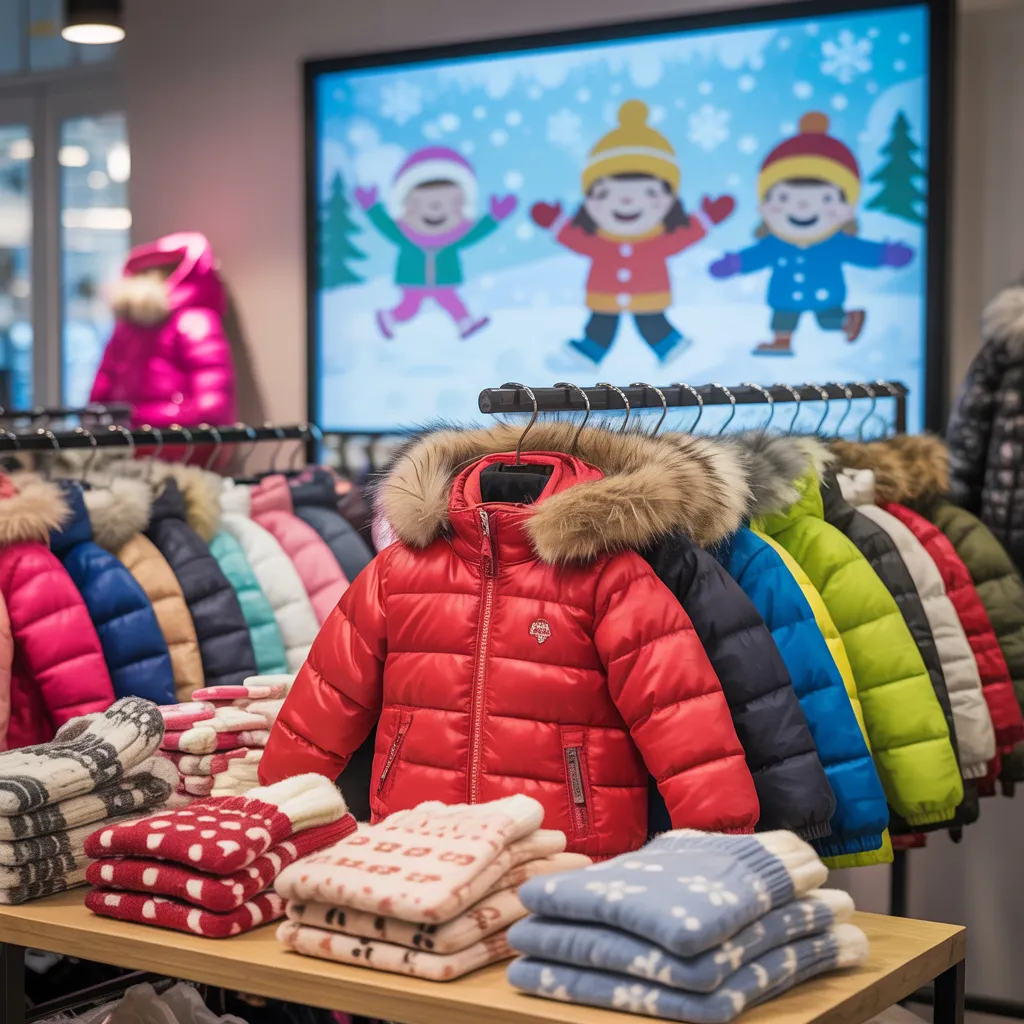
How Insulation Plays a Vital Role in Winter Garments
Even though many people emphasize fashion when selecting winter apparel, insulation performs a vital role in keeping warmth and comfort. Insulation serves as a barrier against harsh cold, trapping body heat and keeping it from escaping. High-quality insulation materials, such as down feathers and synthetic fibers, work to maintain temperature, guaranteeing that the wearer remains warm throughout freezing conditions.
The quality and thickness of insulation directly impact the garment's warmth. Thicker layers generally provide better protection, however lightweight options can offer sufficient warmth without bulk. Moreover, proper insulation boosts breathability, allowing moisture to escape while retaining heat.
In cold weather regions, purchasing well-insulated clothing is vital for outdoor activities, as substandard insulation can bring about discomfort and health risks like hypothermia. As a result, understanding the importance of insulation is crucial for anyone looking to stay warm and comfortable across the winter months.
Picking the Correct Fabrics for Chilly Weather
In selecting winter clothing, understanding the right fabrics is vital for maximizing warmth and comfort. Natural materials like wool and down are known for their outstanding insulation properties. Wool is particularly successful at regulating body temperature and wicking moisture away from the skin, maintaining wearers dry and warm. Down, derived from the soft feathers of ducks or geese, delivers a lightweight yet highly effective insulation solution, ideal for jackets and coats.
Synthetic fabrics, including polyester and nylon, play a important role in winter garments. These materials are commonly water-repellent and fast-drying, making them perfect for outer layers exposed to the elements. In addition, fleece delivers a soft, insulating layer that maintains heat without adding bulk. When choosing winter clothing, it is important to evaluate the balance of warmth, moisture management, and weather resistance that different fabrics provide, ensuring comfort during cold weather conditions.
Adaptable Layering Methods for Superior Insulation
Layering is a practical approach to winter clothing that maximizes warmth and adaptability in varying temperatures. Successful layering starts with a moisture-wicking foundational layer. This layer, frequently produced from synthetic fabrics or merino wool, preserves skin dryness by transferring sweat away from the body.
Following this, a thermal insulating layer, like fleece or down, maintains body heat without adding important guide bulk. This layer can be adapted based on activity levels; for example, one may opt for a lighter fleece for milder days or a thicker down jacket throughout extreme cold.
Ultimately, an outer layer, such as a warm coat, delivers additional insulation. This outer layer can also hold additional mid-layers, enabling for quick adjustments. By thoughtfully combining these elements, individuals can create adaptable outfits that guarantee optimal warmth, comfort, and flexibility throughout winter's variable weather.
How Waterproof and Windproof Materials Function
Because winter weather brings unpredictable conditions, the importance of waterproof and windproof materials in winter clothing cannot be overstated. These materials work as barriers against precipitation and cutting winds, ensuring that individuals remain dry and warm in harsh conditions. Waterproof fabrics, often enhanced with durable water repellent (DWR) coatings, prevent moisture penetration, while windproof materials block cold air from reaching the skin.
This mix is critical for upholding comfort and body heat during outdoor activities. For instance, a windproof jacket matched with waterproof pants creates an effective shield against the elements, boosting overall protection. Moreover, cutting-edge innovations in material science have led to the development of breathable waterproof fabrics, which allow moisture from sweat to escape while keeping external water out. This balance of protection and breathability is essential for those participating in winter sports or daily commutes, making quality winter clothing indispensable for anyone confronting the season's challenges.
How Quality Winter Clothing Enhances Your Style
High-quality winter clothing significantly enhances the overall appeal of an outfit, transforming basic ensembles into chic expressions. Its adaptable layering options allow individuals to adapt their looks to diverse occasions while maintaining warmth. Eventually, investing in quality pieces can boost both functionality and fashion during the colder months.
Elevates Total Appearance Aesthetic
Cold-weather clothing operates as a canvas for unique fashion sense, transforming simple attire into eye-catching combinations. High-quality winter garments, fashioned with high-grade fabrics, not only offer comfort but also improve aesthetic value. Precisely cut coats, fashionable knits, and stylish embellishments can elevate even the most straightforward appearances, adding sophistication and flair. The textures and colors of high-grade winter apparel create a dynamic contrast, commanding focus and making a statement. Additionally, skillfully made articles provide superior fit and flow more naturally, contributing to an thoroughly professional image. By purchasing premium cold-weather clothing, individuals can showcase their personal aesthetic while making certain they remain trendy and warm during chilly periods. In the end, high-grade seasonal attire is crucial for anyone looking to improve their wardrobe.
Versatile Layering Possibilities
When exploring how to navigate cold temperatures while maintaining a stylish appearance, versatile layering options play a vital role. Quality winter clothing offers a foundation for creating various looks, allowing individuals to mix and match pieces effortlessly. Base layers, such as thermal tops and leggings, provide warmth without bulk, while mid-layers like sweaters and cardigans add visual interest. An outer layer, such as a tailored coat or a stylish puffer jacket, completes the ensemble and defends against the elements. Accessorizing with scarves, hats, and gloves further enhances the outfit while allowing for personal expression. This adaptability not only delivers comfort and warmth but also elevates overall style, making quality winter clothing a crucial component of any wardrobe.
Investment in Durability: Expense Against Quality
When examining winter clothing, the balance between cost and quality proves essential in long-term savings. Superior-quality garments commonly supply excellent performance, validating their initial price tag. Opting for durable, well-made items can produce substantial benefits over time, lowering the need for frequent replacements.
Long-Term Cost Savings Advantages
Purchasing quality winter clothing can produce substantial long-term savings, often surpassing the initial costs associated with higher-end garments. While cheaper options may seem appealing at first, they typically require frequent replacement due to poor-quality materials and construction. Quality winter wear, designed for longevity, can endure many seasons, decreasing the need for continual purchases. Additionally, high-quality fabrics often deliver better insulation and protection against the elements, leading to reduced heating costs and improved comfort. This not only enhances the wearer's experience but also minimizes the likelihood of illness during colder months. Ultimately, choosing long-lasting and well-crafted clothing is a financially sound decision that supports both personal well-being and economic savings over time.
Performance Over Price
Whereas many buyers could be enticed to focus on affordability over quality when picking winter apparel, the lasting advantages of purchasing quality often show a alternative story. Premium winter clothing is crafted with superior materials and craftsmanship, providing improved insulation, waterproofing, and longevity. This results in improved coziness and shielding against severe conditions. Cheaper alternatives might originally seem attractive, but their absence of lasting power can result in repeated renewals, ultimately raising expenses. By choosing well-made clothing, people not only secure thermal comfort and performance but also contribute to eco-friendly fashion practices. As a result, emphasizing functionality over affordability becomes a smart move, fostering both economic and environmental benefits while providing a dependable clothing collection for winter's demands.
Common Questions
How Do I Properly Care for My Winter Clothing?
For proper care of winter clothing, you need to launder following fabric instructions, steer clear of excessive heat when drying, maintain in a dry, cool location, and regularly inspect for damage to maintain long-lasting performance.
Which Brands Offer the Best Quality Winter Clothing?
Various brands distinguish themselves for quality winter clothing, including Patagonia, copyright, The North Face, and Columbia. These companies are celebrated for their resilient materials, innovative designs, and adherence to warmth and protection against severe weather conditions.
Can I Use Winter Clothing in Moderate Climates?
Yes, winter clothing can be worn in mild climates. However, individuals should select lighter fabrics and layers to guarantee comfort, preventing overheating while still benefiting from the style and warmth that quality winter pieces provide.
How Do I Select Winter Clothing for Outdoor Activities?
To choose winter clothing for outdoor activities, it's important to prioritize moisture-wicking materials, insulation, and wind protection. Layers are essential for versatility, while appropriate fit provides ease of movement and comfort during various weather conditions and activities.
What Size Do I Need for Winter Clothing Layers?
When buying winter layering, one should choose a size that enables comfortable movement and accommodates base layers. A somewhat looser fit can improve insulation while providing ease during outdoor activities and sustaining overall warmth.